


Exploring the Flavors of South American Food
When I first started exploring the world of South American food, I was amazed by the vibrant colours, bold flavours, and rich traditions that each dish carried. This region is a treasure trove of culinary delights, blending indigenous ingredients with influences from Europe, Africa, and Asia. Whether you’re a seasoned foodie or just curious about new tastes, diving into South American cuisine is a journey worth taking.
Discovering the Heart of South American Food
South America is a vast continent with diverse climates and cultures, which means its food varies widely from country to country. From the spicy stews of Peru to the grilled meats of Argentina, there’s something for every palate. What I love most is how each dish tells a story about the people and history behind it.
For example, in Brazil, you’ll find feijoada, a hearty black bean stew with pork that’s perfect for sharing with friends. Meanwhile, in Colombia, arepas—cornmeal cakes—are a staple that can be enjoyed plain or stuffed with cheese, meats, or avocado. These dishes are not just meals; they’re experiences that bring people together.
If you want to try your hand at cooking some South American dishes at home, start with simple recipes like empanadas or ceviche. Both are approachable and packed with flavour. Empanadas are pastry pockets filled with meat, cheese, or vegetables, and they’re great for snacking or a light meal. Ceviche, on the other hand, is a refreshing dish made from raw fish cured in citrus juices, often with onions and coriander.
The Staples That Define South American Food
One of the things that makes South American food so unique is its reliance on native ingredients that have been cultivated for thousands of years. Corn, potatoes, quinoa, and beans are the backbone of many dishes. These ingredients are not only nutritious but also incredibly versatile.
Take potatoes, for instance. Originating in the Andes, they come in hundreds of varieties and are used in countless ways. In Peru, you might find papa a la huancaína, boiled potatoes covered in a spicy cheese sauce. In Bolivia, salteñas are baked pastries filled with a juicy meat and vegetable stew, often including potatoes.
Corn is another superstar. It’s used fresh, dried, or ground into flour. In Ecuador, humitas are steamed corn cakes wrapped in corn husks, similar to tamales. In Argentina and Uruguay, choclo (large-kernel corn) is often grilled and served with cheese.
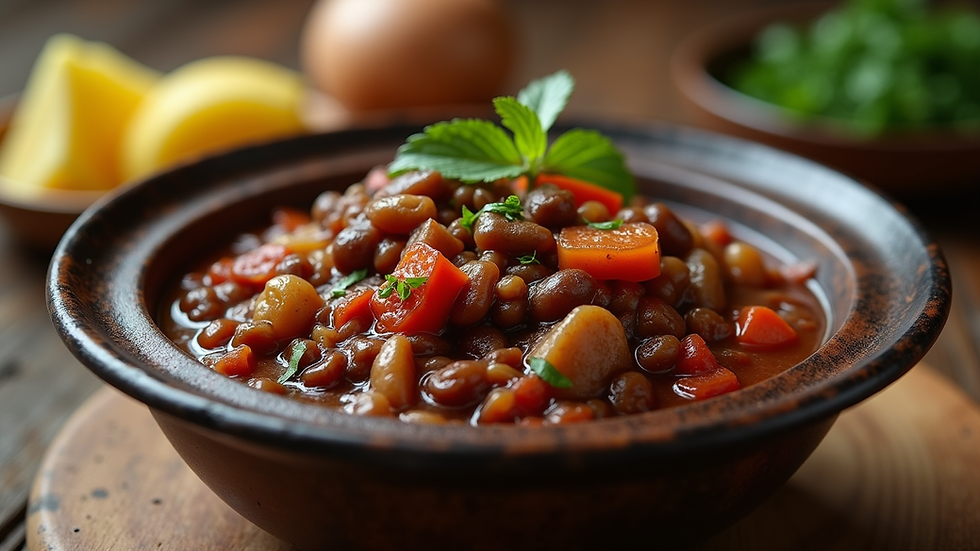
Beans, especially black and red varieties, are essential too. They provide protein and fibre, making dishes like Brazil’s feijoada or Venezuela’s pabellón criollo both filling and flavourful.

Exploring the Flavours of South American Cuisine
When you explore south american cuisine, you’ll notice a beautiful balance of bold spices and fresh ingredients. Herbs like cilantro and parsley are common, as are spices such as cumin and paprika. Many dishes also feature a hint of heat from chilli peppers, but it’s usually a gentle warmth rather than overwhelming spice.
One of my favourite dishes to try is Peruvian ceviche. The freshness of the fish combined with the tangy lime juice and the crunch of red onions creates a perfect harmony. It’s often served with sweet potato or corn on the cob, which adds a lovely contrast.
In Argentina, the tradition of asado (barbecue) is a social event as much as a meal. Various cuts of beef, sausages, and sometimes offal are cooked slowly over wood or charcoal. The smoky aroma and tender meat are unforgettable. Pair it with chimichurri, a vibrant sauce made from parsley, garlic, vinegar, and oil, and you have a match made in heaven.
For dessert lovers, South America offers treats like dulce de leche, a sweet caramel-like spread used in cakes, cookies, and ice cream. In Chile, mote con huesillo is a refreshing drink made from dried peaches and husked wheat, perfect for hot days.
Must-Try South American Drinks and Street Food
No exploration of South American food would be complete without mentioning the drinks and street food that bring the culture to life. From bustling markets to quiet cafes, these treats are everywhere.
Mate is a traditional herbal tea popular in Argentina, Uruguay, and Paraguay. It’s made from the leaves of the yerba mate plant and sipped through a metal straw from a shared gourd. It’s a social ritual that invites conversation and connection.
Street food is another highlight. In Peru, you can find anticuchos, skewers of marinated beef heart grilled to perfection. In Brazil, pastel is a crispy pastry filled with cheese, meat, or even sweet fillings. And in Colombia, buñuelos are fried dough balls that are crispy outside and soft inside, often enjoyed during festive seasons.
If you’re visiting or want to recreate the experience at home, try pairing these snacks with local drinks like pisco sour from Peru or Chile, a cocktail made with pisco brandy, lime juice, sugar, and egg white.
Bringing South American Food Into Your Kitchen
If you’re inspired to bring some of these flavours into your own kitchen, start with a few basics. Stock up on ingredients like cornmeal, black beans, fresh herbs, and citrus fruits. Experiment with simple recipes and don’t be afraid to adjust spices to your taste.
Here are a few tips to get you started:
Try making empanadas: Use ready-made pastry or make your own dough. Fill them with spiced beef, chicken, or cheese and bake or fry.
Make a fresh ceviche: Use firm white fish, lime juice, red onion, and coriander. Serve chilled.
Cook a bean stew: Combine black beans with garlic, onions, and smoked paprika for a comforting meal.
Grill some meat: If you have a barbecue, try marinating beef or chicken with garlic, lemon, and herbs.
Cooking South American food is about enjoying the process and sharing meals with others. It’s a wonderful way to connect with a rich culinary heritage and add some exciting new dishes to your repertoire.
Exploring the flavours of South American food is a delicious adventure that invites you to taste history, culture, and community in every bite. Whether you’re cooking at home or dining out, these dishes offer warmth, comfort, and a burst of vibrant flavours that stay with you long after the meal is over. So why not start your own journey today? Your taste buds will thank you.


Comments